
Article: 3D printer for X-ray technology specialists
3D printer for X-ray technology specialists
The new facility of Wolf Medizintechnik GmbH in St. Gangloff is the result of a knowledge transfer from East Thuringia.
St.Gangloff/Jena
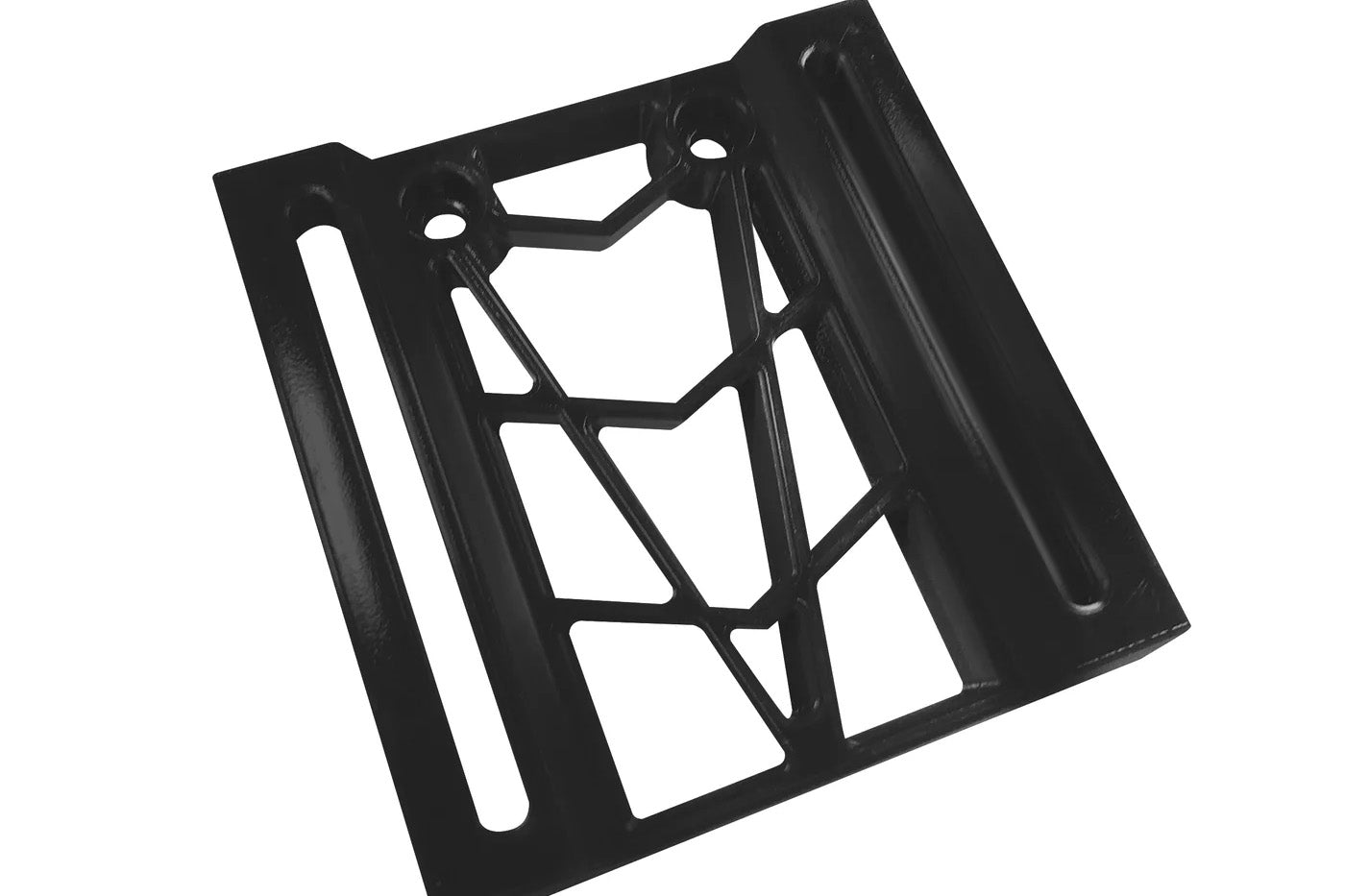
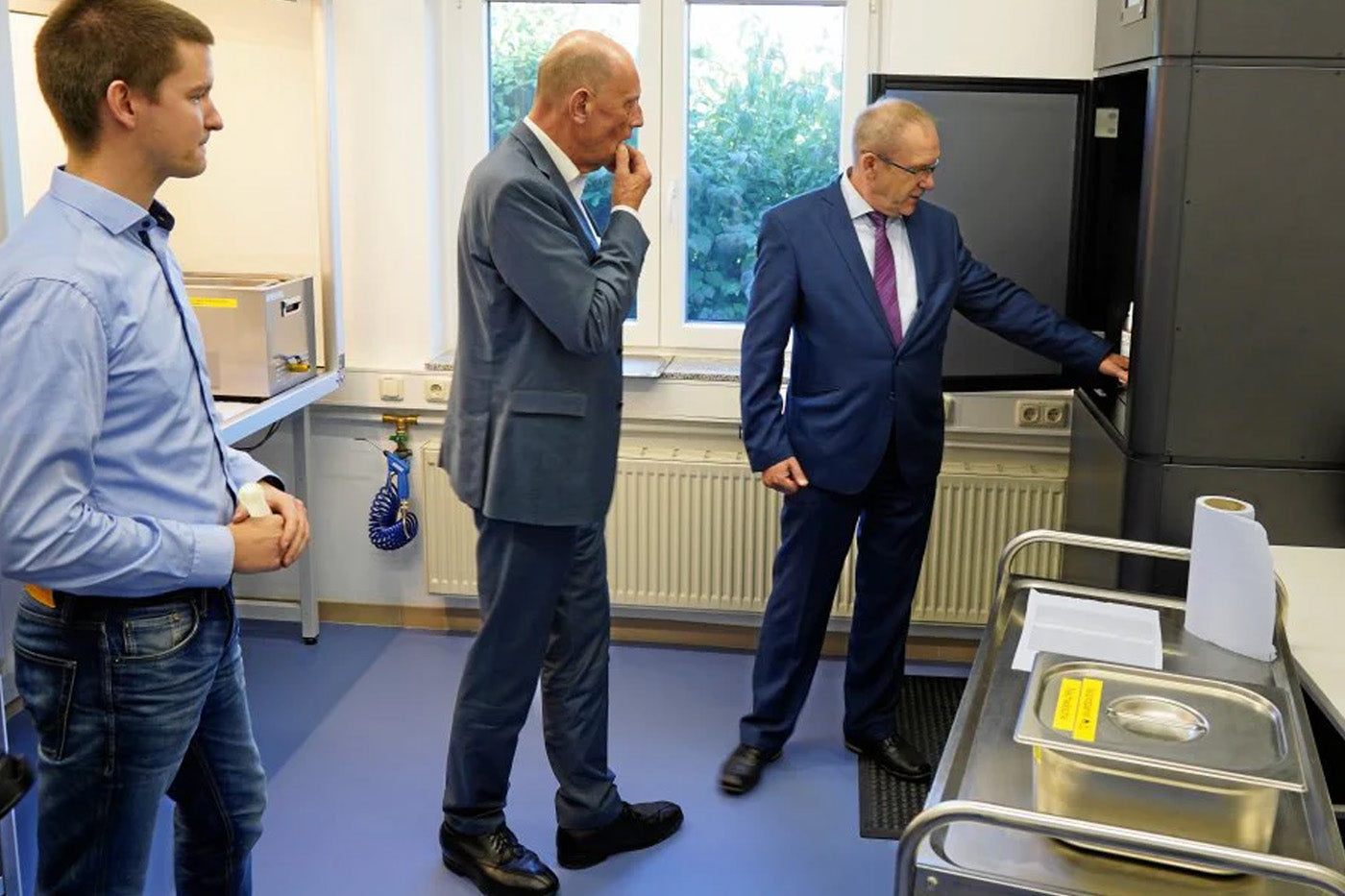
Wolf Medizintechnik GmbH in St. Gangloff officially commissioned a special 3D printer for medical applications on Thursday afternoon in a celebratory ceremony. The printer was manufactured by BURMS - 3D Druck Jena GmbH. & The device, manufactured by Co. KG, enables a novel production process for components of an X-ray therapy device. At the official handover, attended by Thuringian Minister of Economic Affairs Wolfgang Tiefensee (SPD), Burms CEO Uwe Brick stated that, to his knowledge, this is the world's first 3D printing application in which the printed component – a plastic applicator capable of transmitting high-energy radiation – is suitable for contact with a surgical wound, such as after cancer surgery. Wolf Medizintechnik GmbH is a specialized supplier of equipment and systems for radiological diagnostics and therapy and was acquired by Eckert in 2017. & Ziegler Bebig GmbH was acquired.
More cost-effective production
Christoph Kaufmann, deputy operations manager at Wolf Medizintechnik, welcomed the guests and demonstrated, among other things, the functionality of the 3D printer. The taller-than-a-man, dark gray machine resembles a large refrigerator, but inside it operates high-tech components worth tens of thousands of euros. It is printing the tip, the tube head, of a special radiotherapy device with a spring-loaded arm. This part previously had to be manufactured using a significantly more complex process, in which individual parts made of different materials were glued together. This was part of a joint project with the BURMS 3D-Druck GmbH has modified a 3D printer specifically for the production of these objects. 3D printing enables the component to be manufactured in a single process. This makes the solution more cost-effective and promises a longer lifespan. Developing the printing process therefore involved overcoming numerous challenges – for example, regarding the material and the process itself. Employees of Wolf Medizintechnik emphasized another special feature: an RFID chip is integrated into the printed component. This allows for unique identification and documentation of usage frequency and duration, as well as automatic notification of when the component needs to be replaced.
Workshop discussion as a starting point for cooperation
According to Kerstin Michalke from the Ilmenau branch of the Mittelstand-Digital Zentrum (SME Digital Center), located at the Ernst Abbe University of Applied Sciences Jena, the starting point for the development was a workshop discussion held in cooperation with the East Thuringian Chamber of Industry and Commerce in Gera. Evelin Barth from the Chamber of Industry and Commerce reported that the cooperation was initiated in 2019. All participants reported a fruitful collaboration between science and industry and a successful technology transfer. Minister of Economic Affairs Tiefensee also praised the successful project as an interdisciplinary effort: "An example of how networks in Thuringia bear fruit." He emphasized the importance of ultimately creating marketable products from successful research and development, thereby generating added value.
Source: OTZ, Martin Schöne